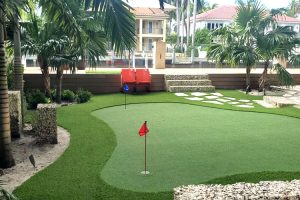
Driveway artificial grass offers a practical way to add greenery to an entrance without the mowing, muddy patches, or inconsistent growth associated with natural turf. It can be installed between paving strips, around parking areas, or across suitable low-traffic sections to create a clean, defined appearance. However, a successful result depends on selecting the right turf, preparing a stable base, and planning for drainage and vehicle movement.
Benefits of Driveway Artificial Grass
A driveway is one of the most visible parts of a property, yet natural grass can be difficult to maintain in this location. Tires, limited sunlight, heat reflected from paving, and frequent foot traffic may leave real turf thin or damaged. Driveway artificial grass provides consistent color and coverage in areas where natural grass may struggle.
- Lower routine maintenance: There is no mowing, fertilizing, or reseeding required.
- Cleaner access: A properly installed surface helps reduce mud, loose soil, and grass clippings near vehicles.
- Defined curb appeal: Turf can soften the appearance of concrete, pavers, stone, and other hardscape materials.
- Flexible design: Artificial grass may be used in driveway strips, borders, geometric inlays, and nearby landscape areas.
- Consistent appearance: Quality turf remains visually uniform through seasonal changes when it receives appropriate care.
How Driveway Artificial Grass Is Installed
Installation begins with evaluating how the driveway is used. Turf placed only between concrete ribbons has different requirements from grass installed beside a parking pad or within decorative paver openings. The expected vehicle weight, turning patterns, slope, and existing drainage should all be considered before work begins.
Site Preparation and Base Construction
The installation area is excavated to the depth needed for the base, turf backing, and surrounding hardscape. Organic soil, roots, and unstable material should be removed because they can settle over time. A compactable aggregate base is then added in layers and graded to support drainage. Thorough compaction is essential for limiting depressions, wrinkles, and movement under regular use.
Edges also require careful planning. Secure borders help prevent the turf from shifting or lifting where it meets concrete, pavers, or landscape beds. If the project extends beyond the driveway, the design may coordinate with other
artificial grass applications around the property.
Cutting, Seaming, and Securing the Turf
Once the base is smooth, the turf is positioned so the grass blades face a consistent direction. Pieces are measured and cut to fit the layout without leaving exposed gaps. Where multiple sections meet, seams should be aligned carefully and secured using materials appropriate for the installation.
Infill may be applied to support the blades, add weight, and improve stability. The correct infill and fastening approach depends on the turf product and whether tires will pass over or next to the installation. Artificial grass should not simply be laid over loose soil or an uneven driveway surface, as this can cause movement and premature wear.
Drainage Considerations for Driveway Turf
Effective drainage is one of the most important parts of a driveway turf project. Most artificial grass has a permeable backing, but water must also be able to move through the base and away from nearby structures. A suitable aggregate layer creates space for water to disperse, while proper grading directs runoff toward an approved outlet or drainage area.
Existing downspouts, low spots, and runoff from paved surfaces should be reviewed before installation. If water regularly pools in the proposed turf area, the cause should be corrected rather than covered. The drainage plan may need to account for local soil conditions, rainfall, driveway slope, and applicable property requirements.
Maintaining Artificial Grass Around a Driveway
Although
synthetic turf requires less upkeep than a natural lawn, it is not completely maintenance-free. Driveway areas can collect dust, leaves, tire debris, and windblown material. Light, consistent care helps preserve drainage and keeps the surface looking neat.
- Remove leaves, twigs, and other debris before they accumulate.
- Brush flattened fibers periodically with a nonmetal, synthetic-bristle brush.
- Rinse dusty areas when needed and allow water to drain fully.
- Address automotive fluid spills promptly according to the turf manufacturer’s care guidance.
- Inspect seams, edges, and infill after unusually heavy use or severe weather.
Avoid exposing the turf to open flames, hot tools, or reflective heat that exceeds product recommendations. Sharp vehicle turns on small turf sections may also place extra stress on fibers and seams. For other specialized installations, such as
putting green artificial grass, maintenance and performance priorities will differ.
Is Artificial Grass Right for Every Driveway?
Driveway turf works best when its location and product specifications match the intended use. Not every synthetic grass product is designed for vehicle traffic, and some layouts are better suited to decorative strips or areas beside the main tire path. Product durability, pile height, backing construction, heat exposure, turning pressure, and drainage capacity should be evaluated together.
Commercial properties may have additional concerns because of heavier traffic and access requirements. Businesses considering synthetic landscaping can explore
business artificial grass solutions suited to professional outdoor spaces.
Plan Your Driveway Artificial Grass Project with Perdura Lawns
A durable installation starts with more than choosing a realistic-looking turf. Base stability, edge restraint, drainage, vehicle patterns, and ongoing care all influence long-term performance. Perdura Lawns provides driveway artificial grass and other
synthetic turf options for property owners evaluating a cleaner, lower-maintenance landscape. Working with a knowledgeable provider can help ensure the proposed product and installation plan are appropriate for the driveway’s layout and intended use.
Frequently Asked Questions
Can artificial grass be installed where vehicles will drive or park?
Yes, but the turf, compacted base, edge restraints, and installation method must be suitable for the expected vehicle load. Some products are intended mainly for decorative strips rather than direct, repeated tire traffic.
How does water drain through driveway artificial grass?
Water passes through openings in the turf backing and into a permeable aggregate base. Correct grading and a suitable drainage route are necessary to prevent pooling near paving, buildings, or low areas.
How long can artificial grass last on a driveway?
Its service life depends on product quality, installation, traffic levels, climate, drainage, and maintenance. Frequent turning, heavy vehicles, unstable base material, or unsuitable turf can cause faster wear.
What maintenance does driveway artificial grass need?
Routine care includes removing leaves and debris, brushing flattened fibers, rinsing dust when needed, checking seams and edges, and cleaning automotive spills promptly according to the turf manufacturer’s instructions.
Views: 8